Occasionally, bacteria may infect the pulp of a tooth. To save the tooth in this circumstance, root canal therapy is necessary. During this procedure, the diseased pulp is removed and the tooth is sealed to prevent reinfection. An abscessed or infected tooth may be treated with a root canal to alleviate pain. During root canal therapy, the inflamed pulp is extracted. After disinfecting and cleaning the inside surfaces of the tooth, the opening is filled with a filling.
Infection of the pulp within your tooth by oral bacteria necessitates root canal treatment. This often occurs when a cavity is neglected over an extended period. Additionally, it may happen if a tooth that has been traumatised breaks or receives other damage.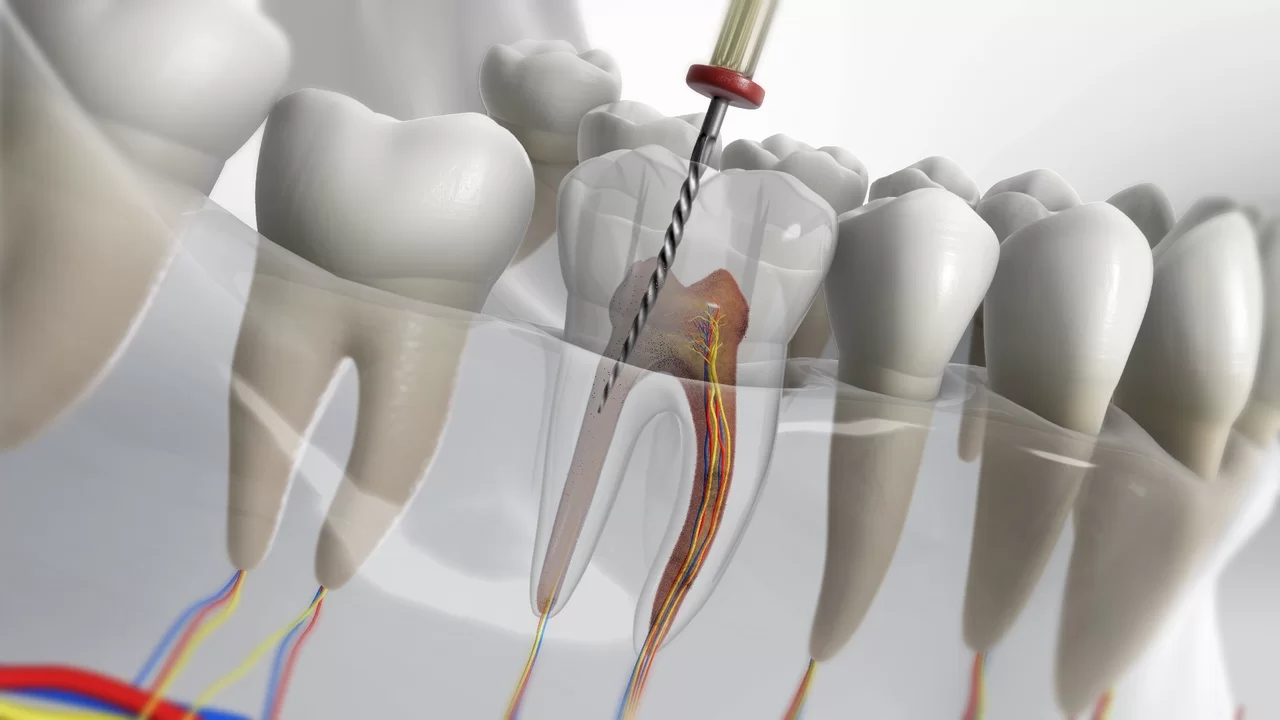
The number of visits needed for root canal treatment will depend on the severity of the infection in your tooth. A root canal typically requires 60 minutes to perform. A bigger tooth with many roots may need up to two hours of treatment time.
Conway House dentists will take dental X-rays of the affected tooth before starting your root canal. This makes it possible to assess the degree of injury and confirms that root canal therapy is the best course of action. The stages that will be carried out during your root canal surgery are as follows:
Your healthcare professional may address any concerns you have regarding the process before starting your root canal. You may do the following things to be ready for your root canal procedure:
Many patients worry that after receiving root canal treatment, their teeth may hurt. However, the majority of patients have instantaneous alleviation after treatment since the infection’s source is eliminated during the process. Call your healthcare physician as soon as you feel throbbing pain after a root canal.
After a root canal, you shouldn’t have severe pain, although you can experience sensitivity for the first few days. Painkillers, whether prescribed or over-the-counter, may effectively treat these common symptoms. The majority of the time, side effects disappear within one to two weeks.
An endodontist or a general dentist performs root canal therapy (a root canal specialist). Because they have fewer roots, teeth towards the front of the mouth are often treatable by general dentists. You may be sent to an endodontist if you need root canal treatment on a tooth with many roots or if your situation is complicated.
The use of a root canal has several advantages. This therapy can:
Root canals are secure and efficient. The success rates for this treatment are astounding, reaching up to 98%.
Root canal healing usually takes less than a week. A few days of minor pain are possible, although this may be treated with medicine. Call your healthcare physician if you have extreme pain or discomfort for more than a week.
Yes. It’s advisable to hold off until the numbness subsides, however. The anaesthesia’s effects often last a few hours.
For the first several days, stick to softer meals like spaghetti, mashed potatoes, and yoghurt. As your comfort level rises, gradually introduce solid foods.
Additionally, you should avoid biting or chewing with the treated tooth. Until your final dental restoration is in place, try to chew on the other side of your mouth.
It varies. Suppose you had a procedure while under local anaesthetic or nitrous gas, you can drive yourself to and from the appointment. Oral or IV sedation patients will need a friend or relative to transport them home.
It is not advised. Smoking impedes the healing process and raises the possibility that you’ll need further dental treatment in the future.
People who have undergone root canal treatment may often return to work or school the following day. However, you may need an additional day or two to recuperate completely if you had sedation during your dental surgery.
It’s critical to keep the region clean after root canal therapy. Use an antimicrobial mouthwash and regular brushing and flossing to keep germs at bay. If you still have a temporary filling in place, you should refrain from biting on the treated tooth until the permanent crown is in place.
Results aren’t guaranteed with dental operations, as they never are. But when root canal treatment is done correctly, the effects might continue for a very long period, perhaps your whole life.
Call your healthcare practitioner right away if you have any root canal symptoms, such as tooth pain, swelling, foul taste, or other warning indicators. An infected tooth has a higher chance of being saved if it is treated quickly.
Regular dental exams can significantly lower the risk of infection. Your healthcare professional can identify issues during these visits early on, before they become worse.
It might be frightening to have jaw swelling or toothache. Thankfully, root canal treatment may eliminate illness at its source, allowing you to recover fast. Call your doctor as soon as you think you may have an infected or abscessed tooth. Quick medical attention may stop an infection from spreading and reduce your discomfort, allowing you to resume your daily activities. We have experienced dentists in High Wycombe. Call and schedule your appointment with us.
Back To Blog