This is why so many individuals are always searching for solutions to get the ideal smile. In addition to restoring lost, decayed, or damaged teeth, cosmetic dentistry may also improve the overall appearance of your smile.
In addition to addressing issues such as discoloured, misshapen, incorrectly spaced, or misaligned teeth, a variety of aesthetic dentistry procedures are available. The cosmetic dentistry procedure that is most suitable for you will finally solve your aesthetic problems.
Cosmetic dentistry, a blend of science and art, may alter a person’s life by enhancing their teeth and smile to increase their self-esteem.
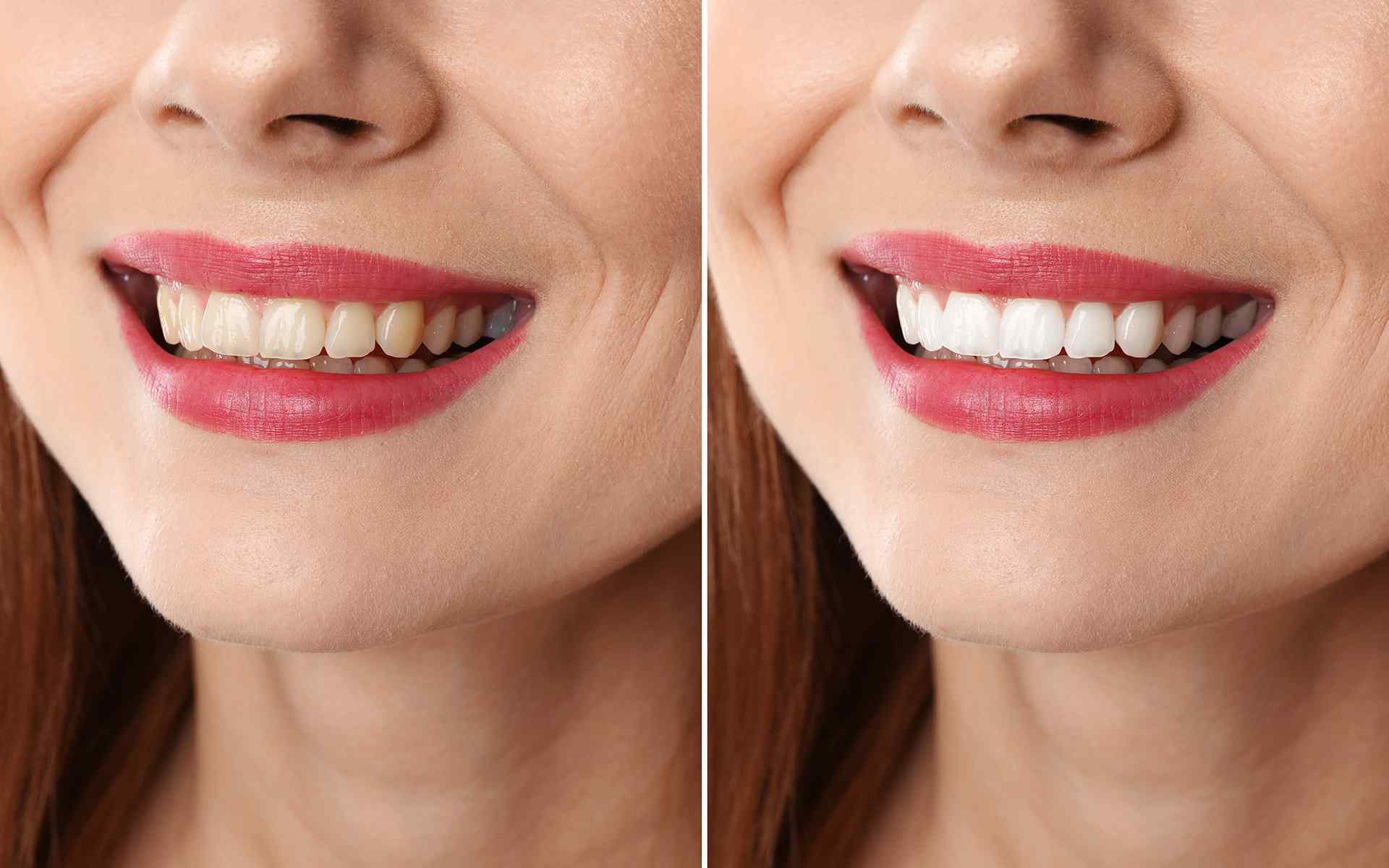
With the assistance of technological advancements used by the dentists of Conway House in High Wycombe, cosmetic dentistry has advanced rapidly in recent years, with operations that are attractive to a growing number of individuals who want to feel better about their appearance.
Due to the extensive variety of cosmetic dental procedures, many individuals do not know where to begin when contemplating cosmetic dentistry. Here is a list of the seven most common cosmetic dental procedures at Conway House to assist you in deciding which is best for you:
The best option to make your teeth bright and healthy is via a professional teeth-whitening operation. Dentist-recommended products work better than store-bought whiteners because they employ more potent bleaching chemicals.
Dentine and enamel (the outer layer of the teeth) discolouration may be lightened by skilled cosmetic dentists (the material underneath the enamel). Additionally, they will monitor each step of the process to allow for modifications to the amounts of the whitening chemical and take precautions to protect your gums from sensitivity throughout the procedure.
The average dental whitening procedure lasts less than an hour and achieves the same effects as weeks of repetitive use of messy over-the-counter teeth whitening treatments. Professional teeth whitening may provide striking effects, with teeth that are several shades whiter.
Additionally, professional teeth whitening is beneficial to oral health. Your teeth become stronger and healthier after the stains are removed.
The effects of professional teeth whitening might continue for a very long time if they are followed up with a consistent at-home oral healthcare practice. The most recent teeth-whitening technology includes laser therapy and thorough bleaching.
Modern dental implants provide several advantages over less effective ways to replace lost teeth in terms of both aesthetics and usefulness. They feel and look like your natural teeth, and they may be used in place of bridges, dentures, or as the foundation for dental plates.
When a tooth is missing, a little titanium post called an implant is placed in its bone socket. The implant is fixed firmly in place in the jaw as the jawbone regenerates around it. An abutment is inserted to retain the new tooth firmly after the implant has connected to the bone. Implant-supported artificial teeth feel perfectly natural after the implant has joined the bone, making them the next best thing to genuine teeth.
Implants provide dentures with a biting force that is comparable to that of real teeth when utilised with them. The decreased biting function of conventional dentures might cause old bone to break down and be absorbed, which can result in bone loss. Additionally, more practical, implant-retained dentures do not need constant removal and reinsertion. The fact that implants fuse with your jaw means they provide a long-term solution to tooth loss.
Dental restorations consisting of composite resin are known as composite fillings. To ensure that the filling blends in with your natural teeth, composite resin may be coloured to match the hue of your teeth. The decaying tissue must be removed before a composite filling can be placed, and any residual tooth structure may need to be modified. After that, layers of composite resin will be added until the cavity is filled. To integrate with the teeth, the final layer will be sculpted and polished. The lifespan of composite fillings is 5-7 years.
Dental crowns fully encase the tooth and are used to heal damaged or decayed teeth as well as to enhance their size, shape, and colour. Despite being available in a variety of materials, porcelain crowns are the most preferred for aesthetic procedures due to their realistic look. Before placing a dental crown, the tooth’s size is reduced to ensure that the crown will fit securely. The natural tooth is subsequently covered with the permanent crown using cement. Depending on how well they are cared for, dental crowns may last anywhere from five to fifteen years. Visit our detailed section of Dental Crowns & Bridges from our website for additional details on dental crowns. You can also visit Conway House in High Wycombe for more information.
Tooth bonding is an alternative to veneers that offers immediate results by using a laser or ultraviolet light to adhere a tooth-coloured composite plastic resin to the surface of the tooth. The process hides dental enamel defects, gaps between teeth, and tooth discolouration. When resin is placed in a cavity, bonding may also be used to fix decaying teeth.
While veneers are produced specifically for each patient in a lab, bonding may be completed in just one dental appointment. However, it requires replacement more often than veneers do.
Dental bridges are used to replace many lost teeth while assisting in maintaining the form of the face and relieving pressure on the biting function. They are made of prosthetic teeth that are bonded to a frame. The centre portion of the bridge replaces the missing tooth and is supported by implants or teeth next to the gap.
The most prevalent kinds of bridges are traditional ones, which are composed of porcelain or ceramics fused to metal. On each side of the gap left by the missing tooth, they make crowns for that tooth or implant, with a pontic (false tooth) in the middle.
In addition to restoring your smile, bridges also make it possible to talk and eat normally, preserve the form of your face, prevent the remaining teeth from moving, and evenly distribute the pressure of your bite.
Porcelain veneers are tooth-coloured shells that are bonded to the front of teeth to cover fissures or stains or fix gaps between teeth. They are often the cosmetic dentistry procedure of choice for celebrities.
Each patient receives a unique set of veneers, which, with good maintenance, may endure for many years. Veneers are now available in thinner materials, eliminating the need to reshape the tooth’s surface. Patients with an uneven gum line might especially benefit from veneers, which will provide a neater appearance, more in proportion with the teeth. Veneers make damaged or discoloured teeth seem natural and healthy again. Additionally, veneers may be utilised to lengthen, square up, or lengthen teeth, as well as treat tooth crowding.
The teeth only have to be slightly prepared since they are so thin and are secured in place by a powerful glue. Although they usually last for many years, veneers may shatter or chip, much like real teeth. Small chips may be fixed, or if required, a new veneer can be applied.
Back To Blog